
Restores thermal resistance
Compressed batts have a much lower R-value. Removing them lets new material achieve its rated thermal resistance, typically R4.0 to R6.0 for ceilings in Melbourne.
Doncaster East
Old, compressed or damaged insulation in your roof space reduces thermal performance and can harbour dust, moisture or pests. We remove it safely in Doncaster East so new batts can do their job.
Share your details and Expert Insulation Melbourne will contact you about Insulation Removal in Doncaster East.
Insulation removal is the first step when your existing ceiling batts are thin, compressed, wet, mouldy or infested. In Doncaster East’s older brick veneer and weatherboard homes, decades-old glasswool or polyester can settle, leaving gaps that let winter heat escape and summer heat in. Removing it clears the way for fresh, full-depth batts that restore the R-value and cut heating and cooling costs.
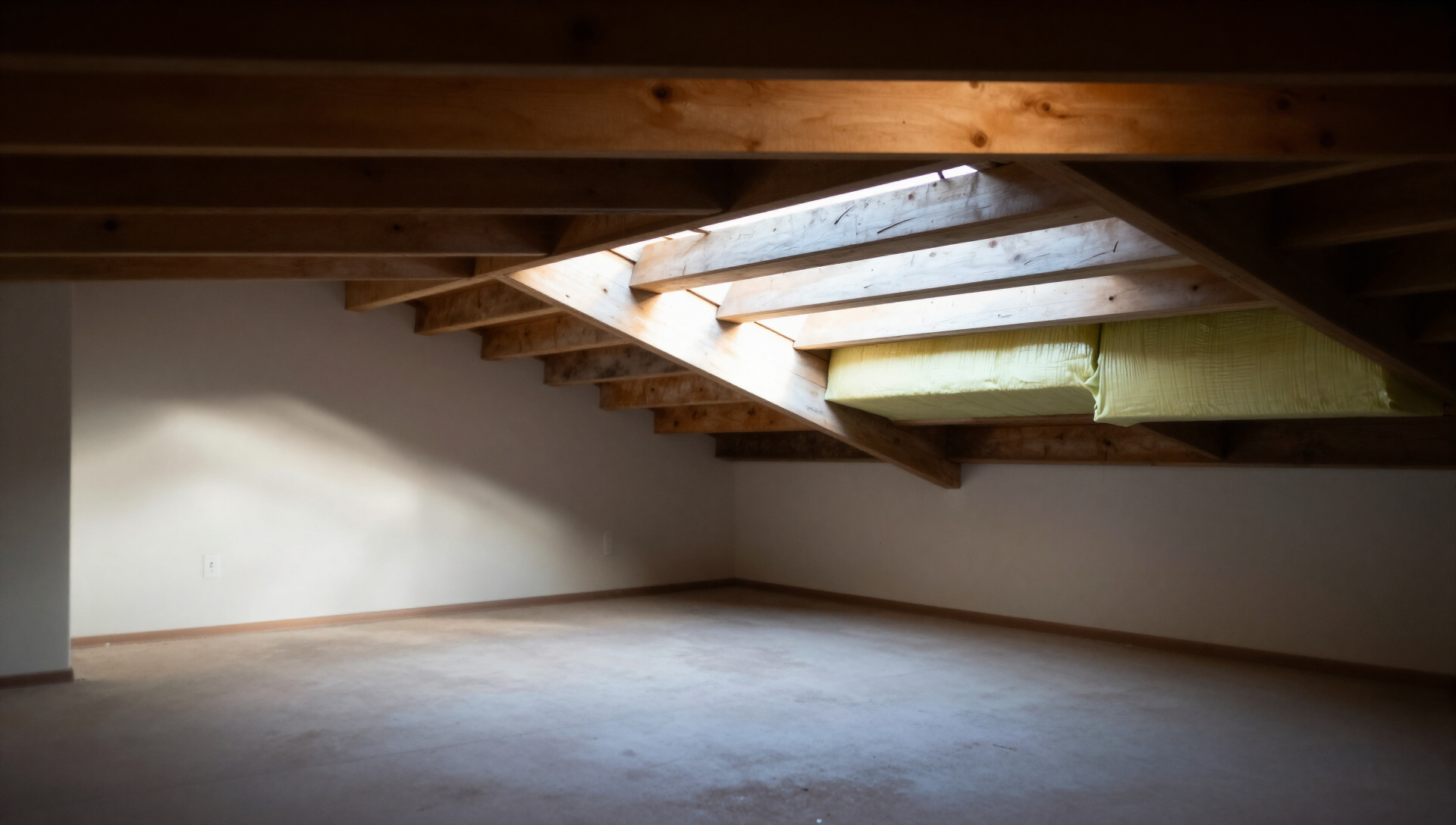
Doncaster East has many 1970s to 1990s brick veneer homes with original ceiling insulation that has long since lost its loft. Removing it fixes common problems and sets up your new insulation for better performance.
Compressed batts have a much lower R-value. Removing them lets new material achieve its rated thermal resistance, typically R4.0 to R6.0 for ceilings in Melbourne.
Old insulation often leaves voids around cables, pipes and downlights. Removal allows a continuous layer to be laid, stopping air leakage that drives up energy bills.
Wet or mouldy batts can cause condensation issues in the roof space. Rodent nests and droppings are also cleared, improving air quality and hygiene.
Decades of dust and fibres accumulate above old batts. Removing the old material and vacuuming the space reduces dust falling through ceiling cracks into living areas.
Old installations often ignore required clearances around downlights and flues. Removal lets you reset with proper spacing for safety and compliance.
If you’re adding sisalation or reflective foil under the roofing, a clean roof space is essential for the best radiant heat reflection and moisture control.
We work efficiently to minimise disruption, usually completing a standard Doncaster East home in a day. Access via the manhole is all that’s needed in most cases.
We check the roof space for access, existing insulation type and condition, and any signs of asbestos. If asbestos is suspected, work stops until a qualified assessor inspects it.
Dust barriers and extraction equipment are positioned to contain fibres and debris. We wear P2 respirators and protective gear throughout the job.
Old batts are carefully lifted out between ceiling joists and bagged for disposal. Loose material and dust are vacuumed from the roof space to leave a clean surface.
All removed insulation is taken away for approved disposal. We leave the roof space and access areas clean, ready for new insulation installation.
Doncaster East’s mix of brick veneer and weatherboard homes often have roof spaces with limited height and trusses that make access tight. We’re experienced working in these conditions, using the manhole and moving carefully between rafters to remove old batts without damaging ceilings. Many homes here also have downlights that need clearances maintained, which we factor into the removal and replacement process.
Clear old, damaged or compressed ceiling insulation in Doncaster East before installing new batts for better thermal performance.
Homeowners in Doncaster East often ask about the need for removal, the process and what happens next. Here are the key details.
Expert Insulation Melbourne provides insulation removal in Doncaster East for homes with old, compressed or damaged ceiling batts. Over time, glasswool, polyester and rockwool can settle, reducing their R-value and leaving gaps that allow heat loss in winter and heat gain in summer. In Doncaster East’s climate, with cold winters and hot summers, this directly increases heating and cooling costs. Removing the old material and replacing it with fresh batts restores the thermal barrier and improves comfort.
The removal process begins with an inspection of the roof space to assess access, insulation type and condition. If the material is suspected to contain asbestos, work pauses until a qualified assessor confirms it is safe to proceed. We then set up dust containment and use industrial vacuums to extract loose fibres and debris. Old batts are carefully lifted out between ceiling joists, bagged and disposed of according to regulations. This prepares the space for new bulk insulation, which can be glasswool, polyester or rockwool, typically at R4.0 to R6.0 for ceilings.
Costs for insulation removal in Doncaster East depend on the roof space size, access difficulty, the amount of old material and whether dust extraction is required. Homes with steep roof pitches, low clearance or many obstacles like cables and pipes can take longer. After removal, most homeowners choose to install new ceiling insulation immediately to maximise energy savings. Signs you may need removal include visible compression of batts, dust falling through ceiling cracks, or higher than usual heating and cooling bills.
If your ceiling insulation is old, compressed or damaged, removing it is the first step to better thermal performance. We serve Doncaster East and can inspect your roof space, remove the old material and prepare for new batts.