
Lower heating and cooling costs
By reducing the rate of heat transfer, bulk insulation keeps warmth inside during winter and heat outside during summer. This means your heating and cooling systems work less, cutting energy use and power bills.
Doncaster East
Bulk insulation traps still air to slow heat flow through ceilings, walls and floors. Expert Insulation Melbourne installs glasswool, polyester and rockwool batts in Doncaster East homes to cut winter heat loss and summer heat gain.
Share your details and Expert Insulation Melbourne will contact you about Bulk Insulation in Doncaster East.
Bulk insulation uses materials like glasswool, polyester and rockwool to resist the flow of heat by trapping still air within its fibres. In Doncaster East, where winters are cold and summers can be hot, it is one of the most effective ways to improve thermal comfort and reduce reliance on heating and cooling systems.
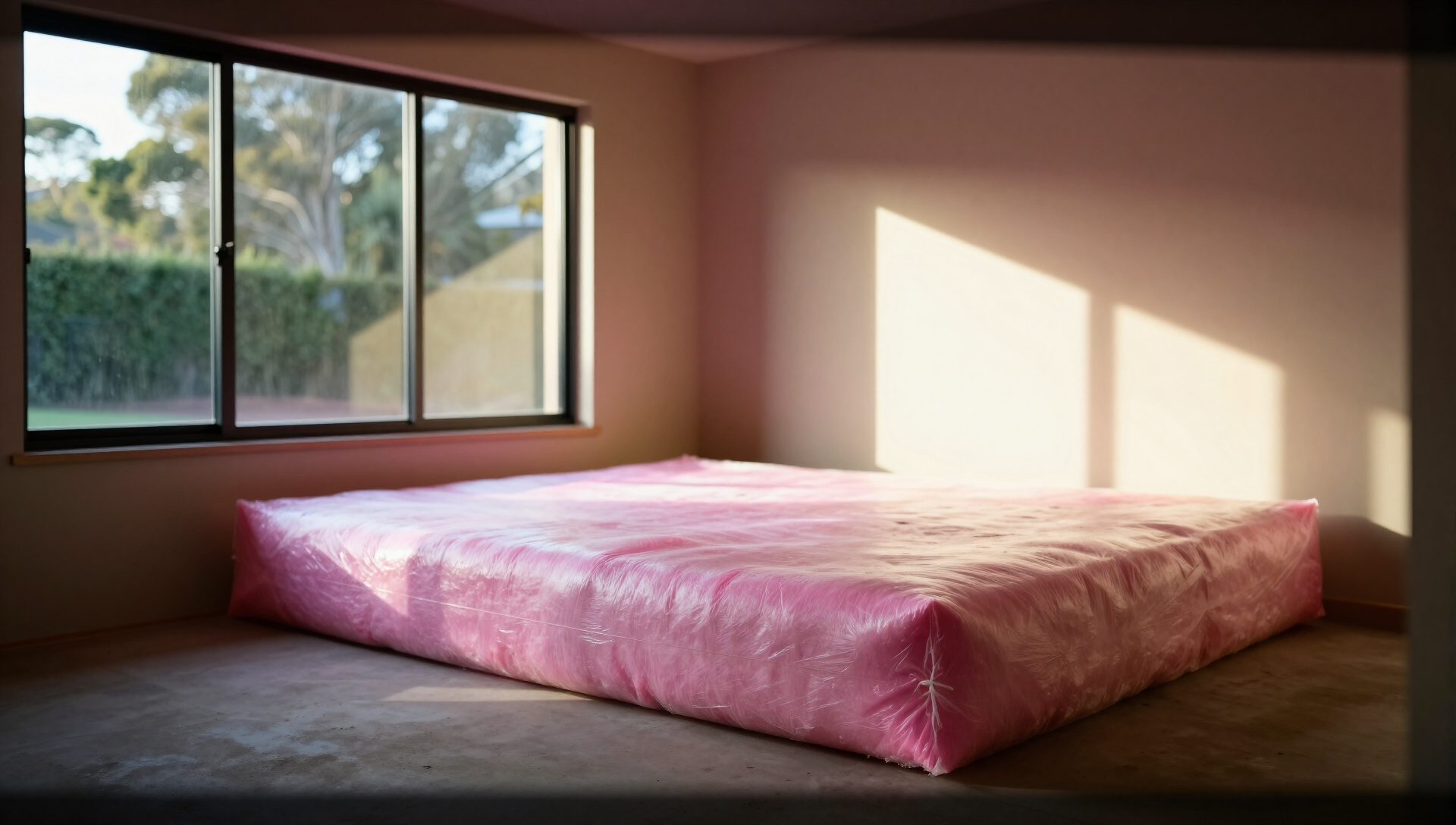
Doncaster East has many brick veneer and weatherboard homes that lose heat quickly in winter and overheat in summer. Bulk insulation addresses these issues by adding thermal resistance where it matters most.
By reducing the rate of heat transfer, bulk insulation keeps warmth inside during winter and heat outside during summer. This means your heating and cooling systems work less, cutting energy use and power bills.
Homes stay warmer in winter and cooler in summer with consistent temperatures across rooms. This is especially noticeable in Doncaster East, where temperature swings can be significant.
Properly installed bulk insulation helps manage moisture by reducing the temperature difference between indoor and outdoor surfaces, lowering the risk of condensation in walls and ceilings.
Bulk insulation also absorbs sound, making interiors quieter. This is useful in Doncaster East homes near busy roads or in areas with close neighbours.
Glasswool, polyester and rockwool batts do not settle or degrade over time if installed correctly, maintaining their R-value and effectiveness for the life of the building.
Rockwool and glasswool batts are non-combustible, adding a layer of fire resistance to walls and ceilings where they are installed.
Installing bulk insulation in Doncaster East involves measuring the spaces, selecting the right product and R-value, and fitting the batts without gaps or compression. Access and existing conditions determine the steps required.
The roof space, wall cavities or subfloor are inspected for access, existing insulation, wiring, downlights and structural elements. Measurements are taken to determine the quantity and R-value of batts needed.
If old, compressed or damaged batts are present, they are removed before new insulation is installed. If asbestos is suspected, work stops until a qualified assessor inspects the material.
Batts are cut to fit snugly between ceiling joists, wall studs or floor joists without being compressed. Gaps around pipes, cables and downlights are maintained as required by building codes.
The installation is checked for full coverage and proper fit. Loose material and dust are removed from the work area, and access points are sealed.
Doncaster East features a mix of brick veneer and weatherboard homes, many built from the 1960s onwards. These properties often have uninsulated or under-insulated ceilings and walls, leading to high heating and cooling costs. Bulk insulation is a practical upgrade for these homes, improving comfort and energy efficiency without major structural changes.
Effective thermal resistance for ceilings, walls and floors in Doncaster East homes.
Homeowners in Doncaster East often ask about the suitability, cost and installation of bulk insulation. Here are answers to common questions.
Bulk insulation is a cost-effective way to improve the thermal performance of homes in Doncaster East. By installing glasswool, polyester or rockwool batts in ceilings, walls and floors, Expert Insulation Melbourne helps reduce heat loss in winter and heat gain in summer. This is particularly important in Doncaster East, where older brick veneer and weatherboard homes often lack adequate insulation.
The process begins with an inspection of the roof space, wall cavities or subfloor to assess access and existing conditions. Batts are then measured and cut to fit snugly between joists and studs, ensuring no gaps or compression that would reduce effectiveness. If old insulation is present, it is removed before new batts are installed, with special care taken if asbestos is suspected.
The choice of material and R-value depends on the application. Ceilings commonly use R4.0 to R6.0 batts, while walls typically range from R2.0 to R2.7. Underfloor insulation usually falls between R1.5 and R2.5. Factors affecting cost include the area to be insulated, access difficulty, the need for removal of old material and the chosen R-value.
Improve your home’s thermal comfort and reduce energy costs with bulk insulation. Expert Insulation Melbourne installs glasswool, polyester and rockwool batts in Doncaster East.