
Lower heating and cooling costs
Insulated cavities slow heat flow through walls, so your heater and air conditioner run less often. Homeowners in Doncaster East typically notice smaller energy bills within the first season after installation.
Doncaster East Wall Insulation
Cavity wall insulation for brick veneer homes in Doncaster East. We inject insulation into the wall cavity through small holes, then patch and finish for a clean result that cuts heat loss and draughts.
Share your details and Expert Insulation Melbourne will contact you about Cavity Wall Insulation in Doncaster East.
Cavity wall insulation fills the gap between the inner and outer leaf of brick veneer walls with insulating material. In Doncaster East, many postwar and 1970s brick veneer homes have empty cavities that let cold air in and warm air out. We assess the wall type and moisture levels, then inject loose-fill or foam insulation through small drilled holes that are sealed afterwards. This is a non-invasive way to upgrade thermal performance without removing cladding or plaster.
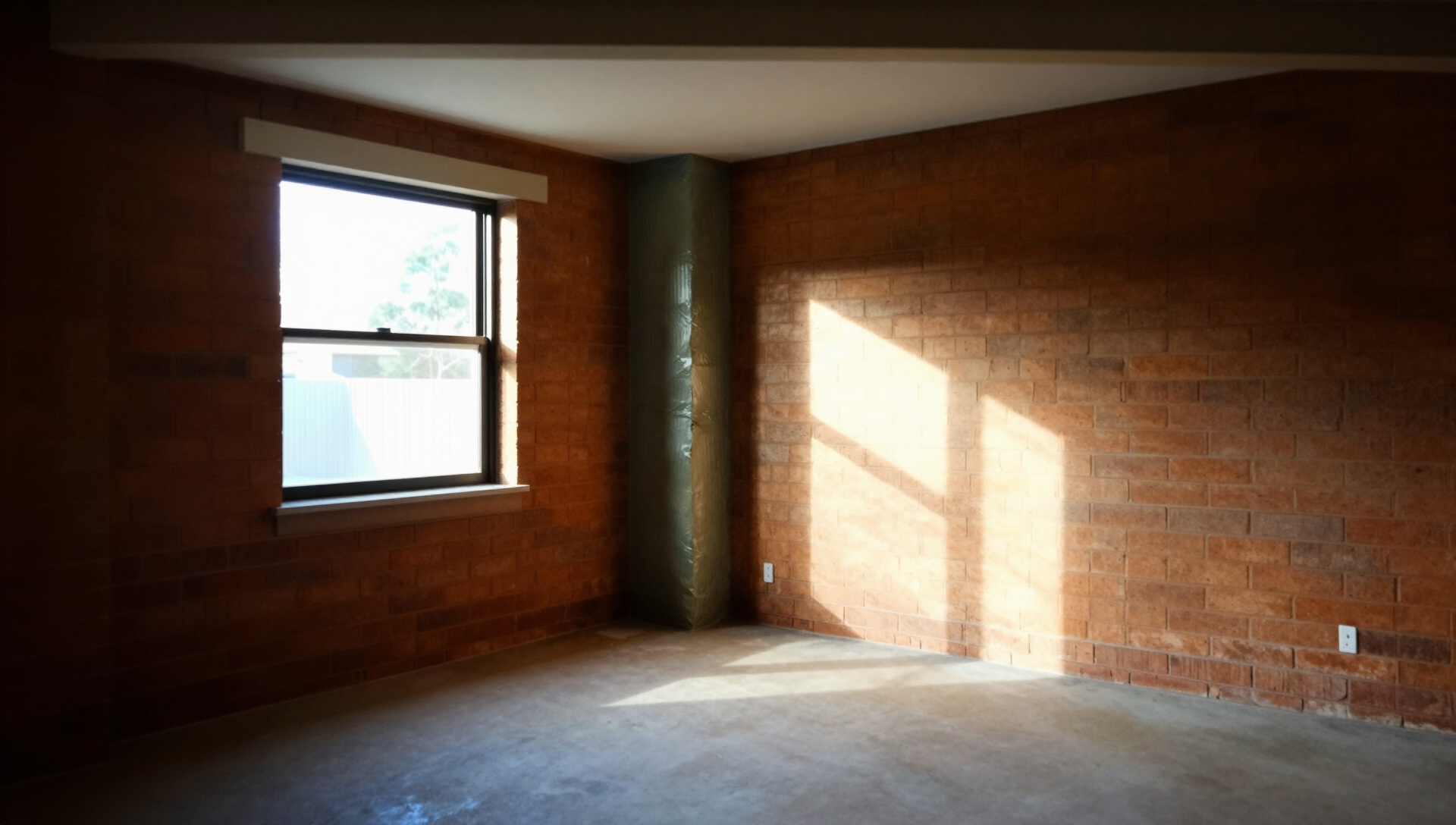
Doncaster East has many brick veneer homes built when insulation standards were lower. Without cavity insulation, these walls allow rapid heat transfer, making heating systems work harder in winter and cooling struggle in summer. Filling the cavity improves the R-value of the wall system, stabilises indoor temperatures and reduces energy use.
Insulated cavities slow heat flow through walls, so your heater and air conditioner run less often. Homeowners in Doncaster East typically notice smaller energy bills within the first season after installation.
Brick veneer walls without insulation can feel cold to touch in winter. Cavity insulation raises the surface temperature of inner walls, reducing cold spots and making rooms feel warmer at the same thermostat setting.
Gaps around windows and doors are not the only source of draughts. Uninsulated cavities allow air movement through the wall structure. Filling the cavity blocks this path, improving comfort near external walls.
The process is done from the outside, so there is no need to remove internal linings, furniture or flooring. We work in sections, so you can stay in the house while the job is completed.
While the primary benefit is thermal, cavity insulation also dampens external noise such as traffic from nearby roads. This is noticeable in quieter suburbs like Doncaster East where external noise can carry.
Once installed, cavity insulation remains effective for the life of the building. It does not settle or degrade like some ceiling batts can, and it is protected from moisture and pests inside the wall.
We follow a structured approach to ensure the job is done right the first time. Every Doncaster East home is different, so we start with a thorough inspection before any work begins.
We check the wall type, cavity width and condition. Brick veneer is usually suitable, while double brick may require a different approach. We also look for signs of moisture, damp or existing damage that needs addressing first.
Small holes are drilled in a pattern across the external wall at each stud bay. We protect surrounding surfaces and ensure the drill pattern follows manufacturer guidelines for even coverage.
Using specialised equipment, we inject the chosen insulation material into the cavity. For Doncaster East homes, we typically use loose-fill mineral wool or foam, depending on the cavity width and client preference. The material fills the gap completely without compressing.
After injection, the access holes are plugged, sealed and painted to match the existing wall. We clean up the site and leave your home looking as it did before we arrived, with the added benefit of insulated walls.
Doncaster East has a mix of postwar brick veneer and 1970s to 1990s homes, many with uninsulated wall cavities. The suburb’s elevated position can also mean exposure to cold winds in winter. Cavity wall insulation is one of the most effective upgrades for these properties, as it targets the large surface area of external walls that is often overlooked. Nearby suburbs like Doncaster and Templestowe share similar housing stock and climate, making cavity insulation a proven solution for the area.
Improve the thermal performance of your brick veneer home in Doncaster East with cavity wall insulation installed by local experts.
Homeowners in Doncaster East often have questions about how cavity wall insulation works, whether their home is suitable and what to expect. Here are the most common queries we receive.
If your Doncaster East home has brick veneer walls, cavity wall insulation is a smart upgrade. Many houses built from the 1950s to the 1990s have empty cavities that allow heat to escape in winter and enter in summer. Filling this gap with insulation improves the thermal resistance of the wall, reducing heat loss and gain while keeping your home more comfortable year-round.
The process is non-invasive and typically takes one to two days for an average Doncaster East home, depending on the size and wall area. We drill small holes in the external brickwork, inject the insulation and then patch and paint the holes so they blend in with the existing wall. There is no need to remove internal plaster or disrupt your daily routine.
Cavity wall insulation works alongside ceiling and underfloor insulation to create a complete thermal envelope. In Doncaster East, where winters can be cold and summers hot, this combination helps maintain stable indoor temperatures and reduces the workload on heating and cooling systems. It is a cost-effective way to improve energy efficiency without major renovations.
Ready to upgrade your brick veneer home with cavity wall insulation? Contact Expert Insulation Melbourne for a no-obligation assessment and quote for your Doncaster East property.